Introduction: A Quiet Revolution in the Operating Room
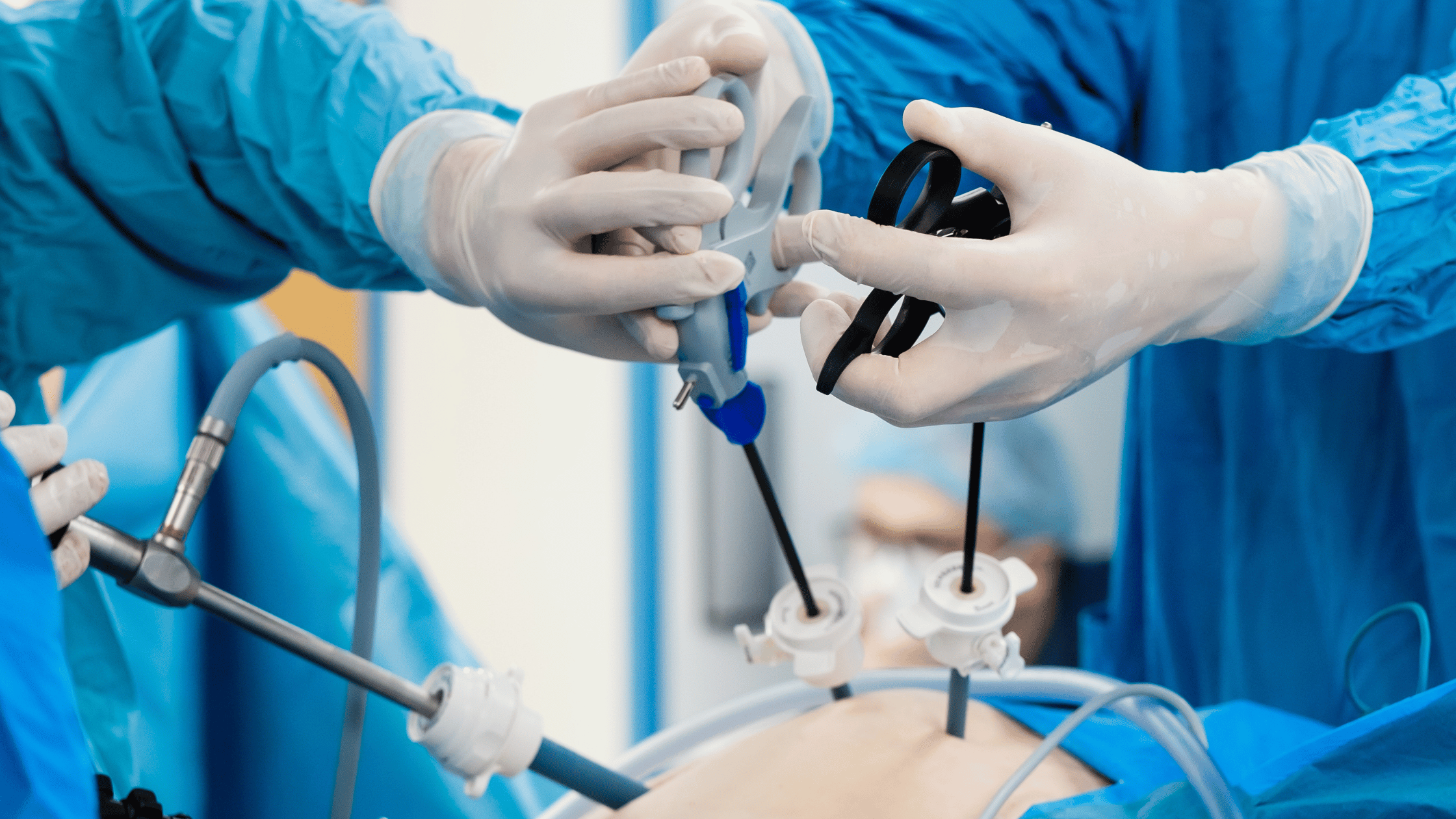
Modern medicine has seen remarkable advancements over the past few decades, but few have been as transformative as laparoscopic surgery. Also known as minimally invasive surgery or keyhole surgery, this technique uses small incisions and specialized instruments to perform complex procedures once reserved for large, open surgeries.
While many people are aware that laparoscopic surgery often leads to smaller scars and quicker recovery, the full extent of its benefits often goes unrecognized. This article explores the lesser-known advantages of laparoscopic procedures—benefits that not only accelerate healing but also enhance long-term health, emotional well-being, and overall quality of life.
Whether you’re considering this type of surgery yourself or supporting someone who is, understanding these hidden perks can help you make a more informed and confident decision.
1. Reduced Risk of Postoperative Infections
Smaller Incisions, Safer Outcomes
One of the most underappreciated benefits of laparoscopic surgery is its significantly lower risk of infection. Traditional open surgeries often involve large incisions that expose internal tissues and organs to airborne bacteria or skin flora, increasing the likelihood of infection.
Laparoscopic surgery, on the other hand, typically uses incisions no larger than 0.5 to 1.5 cm. These small entry points dramatically reduce the surface area exposed to potential contaminants.
Clinical Evidence
Multiple studies show that patients undergoing laparoscopic procedures experience fewer surgical site infections (SSIs) compared to open surgery patients. This leads to reduced antibiotic use, fewer complications, and faster returns to normal health.
2. Less Pain, Less Medication
Faster, Gentler Recovery
One of the most immediate benefits patients notice is significantly reduced postoperative pain. Smaller incisions mean fewer nerve endings are affected, less muscle is disrupted, and internal tissue trauma is minimized.
Lower Dependence on Painkillers
This reduction in pain also translates to less reliance on opioids or other pain medications, lowering the risk of dependency, side effects, and complications related to overmedication—an important consideration in today’s healthcare landscape.
3. Shorter Hospital Stays and Faster Return to Daily Life
Go Home Sooner
Because laparoscopic procedures are less invasive, hospital stays are often reduced to 24–48 hours, and many surgeries can be done on an outpatient basis. This not only eases the burden on healthcare systems but also provides psychological comfort to patients who prefer recovering in their own homes.
Back to Work and Life
Most patients can return to work and normal activities within a week or two, compared to 4–6 weeks with open surgery. This accelerated recovery process helps minimize income loss and lifestyle disruptions.
4. Lower Risk of Postoperative Hernias and Complications
Stronger Abdominal Wall Integrity
Open surgery often involves cutting through multiple layers of muscle, increasing the risk of incisional hernias and long-term structural weakness in the abdominal wall. In laparoscopic surgery, minimal disruption to the muscle wall helps preserve core strength and reduces the chances of hernia formation.
Fewer Internal Adhesions
Another often-overlooked benefit is the reduced formation of internal scar tissue or adhesions, which can cause pain, bowel obstruction, or infertility (especially in women). Laparoscopic techniques are associated with a lower incidence of such complications.
5. Better Cosmetic Outcomes and Body Image
Smaller Scars, Bigger Confidence
While physical health is the top priority in any surgery, aesthetic outcomes also matter, especially for younger patients or those concerned about visible scarring. Laparoscopic procedures leave only a few tiny marks that often fade over time—far less noticeable than the large scars typical of open surgery.
This contributes to better body image, improved self-esteem, and emotional comfort during recovery.
6. Lower Blood Loss and Reduced Need for Transfusions
Controlled Surgical Environment
The precision of laparoscopic tools allows surgeons to control bleeding more effectively, leading to less intraoperative blood loss. This decreases the likelihood of needing blood transfusions, which carry their own set of risks including allergic reactions, infections, and immunologic complications.
Fewer transfusions also result in faster recovery and better surgical outcomes.
7. Improved Outcomes for Obese or High-Risk Patients
A Safer Alternative
For overweight patients or those with comorbid conditions like diabetes or hypertension, laparoscopic surgery can be significantly safer than open procedures. The reduced trauma and faster healing times are particularly beneficial for individuals who face higher surgical risks due to their health profiles.
Additionally, smaller incisions heal more reliably in obese patients, reducing the likelihood of wound complications and infections.
8. Enhanced Precision Through Technology
Visualization Advantage
Laparoscopic surgery employs a tiny high-definition camera that projects a magnified view of the surgical area onto a monitor. This enhanced visualization allows for:
- Greater precision
- Less damage to surrounding tissues
- Better identification of anatomical structures
This is especially valuable in delicate procedures such as gallbladder removal, hysterectomies, or hernia repair.
Robotic-Assisted Enhancements
In some hospitals, robotic-assisted laparoscopic surgery is available, offering even more control, flexibility, and precision—paving the way for better surgical outcomes in complex cases.
9. Lower Total Healthcare Costs
Cost-Effective in the Long Run
Although the upfront cost of laparoscopic surgery can be higher due to specialized equipment, the overall healthcare cost is often lower because of:
- Shorter hospital stays
- Fewer post-op complications
- Quicker return to work
- Reduced medication and follow-up treatments
This makes laparoscopic surgery a cost-effective solution for both patients and healthcare providers.
10. Psychological Benefits of a Smooth Recovery
Confidence in Healing
Faster recovery, less visible scarring, and reduced pain all contribute to a more positive emotional experience. Patients often report feeling more in control and optimistic when they’re able to resume normal activities quickly.
Lower Risk of Depression
Prolonged pain, immobility, and hospitalization after open surgery can lead to anxiety and depression. In contrast, laparoscopic surgery’s quicker physical recovery supports better mental health outcomes.
Conclusion: A Modern Medical Marvel With More to Offer
Laparoscopic surgery represents more than just a new way to operate—it reflects a fundamental shift toward patient-centered care, emphasizing safety, speed, and comfort without compromising results. While its visible advantages—like faster recovery and smaller scars—are well known, the hidden benefits discussed in this article reveal just how life-changing this technique can be.
From reduced infection risks and improved mental health to long-term functional advantages, laparoscopic surgery is truly a leap forward in modern medicine. If you’re facing a surgical procedure, talk to your healthcare provider about whether a laparoscopic option is available—and how it could help you heal better, faster, and more confidently.